 Musa
Chelsea’s latest clash with Tottenham Hotspur has sparked heated debate among supporters, with controversial refereeing decisions threatening to overshadow the action on the pitch.
The Blues were left frustrated after their encounter with their London rivals, with several incidents during the match attracting attention and raising questions about the consistency of the officiating.
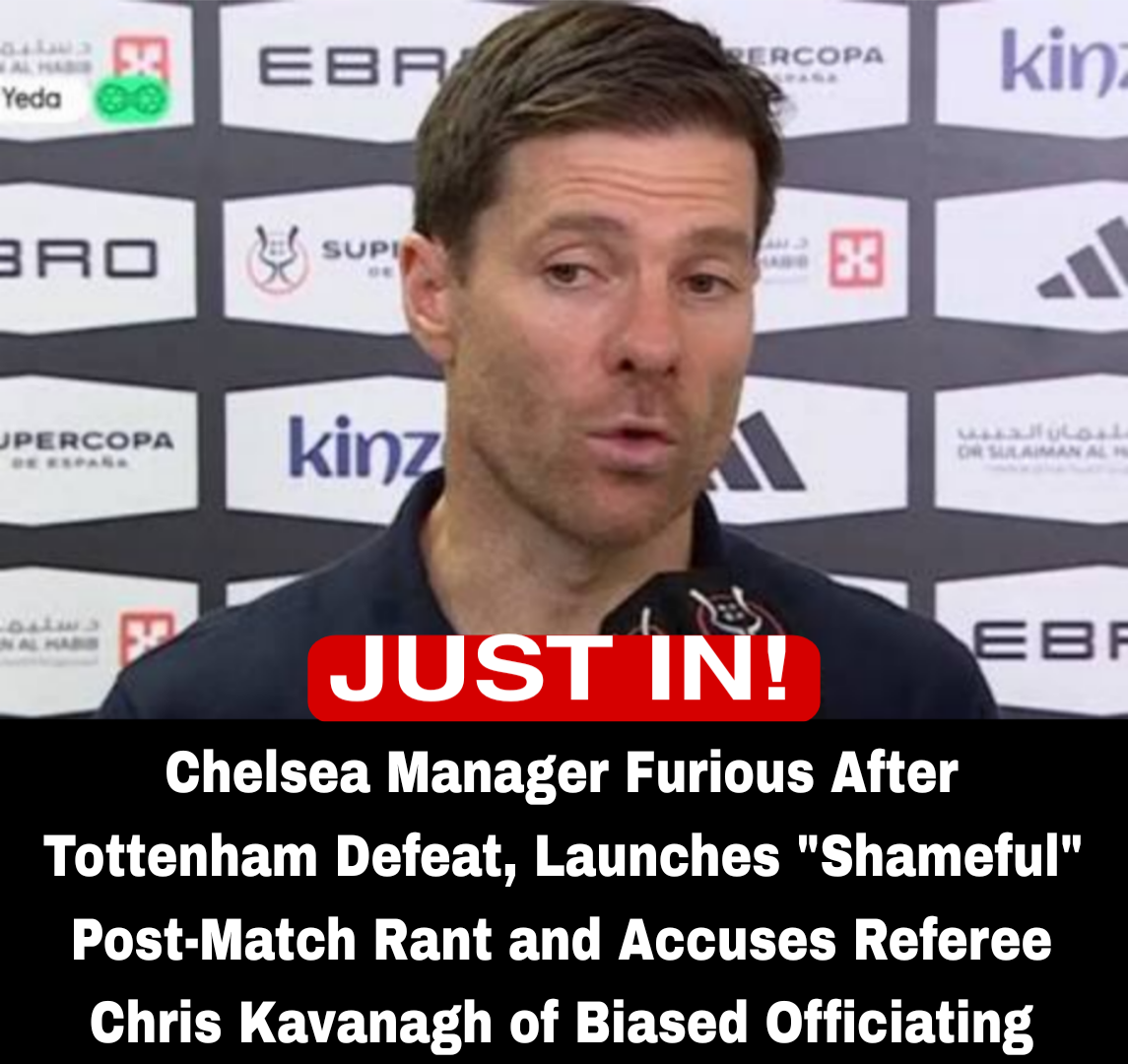
Chelsea’s manager was reportedly unhappy with how certain situations were handled, particularly the physical exchanges involving Tottenham defender Micky van de Ven and Chelsea forward Cole Palmer.
One moment that has generated considerable discussion was Palmer’s challenge on Van de Ven, during which the Tottenham defender appeared to be struck on the chin. The incident has prompted questions from supporters about whether the referee dealt with the situation appropriately.
Chris Kavanagh was the man in charge on the pitch, while the involvement of VAR has become another talking point among fans examining the key moments of the contest.
For Chelsea supporters, the concern is not simply about the result but also about whether similar incidents are being judged consistently. Some believe their team deserved greater protection from the referee, while others argue that contentious moments should be assessed according to the laws of the game rather than the reaction of either fanbase.
Chelsea’s frustration grows after Tottenham encounter
Matches between Chelsea and Tottenham rarely lack intensity, and this latest meeting was no exception. The rivalry often produces aggressive challenges, emotional reactions and moments that leave supporters demanding explanations.
The Palmer-Van de Ven confrontation has become one of the major talking points because of the potential seriousness of contact around the defender’s head and face. However, whether the incident warranted further disciplinary action depends on the referee’s assessment and the applicable VAR review criteria.
A booking or other disciplinary decision can be debated, but a claim of deliberate bias is much more serious and would require evidence beyond a controversial call.
Chelsea’s manager would understandably be expected to seek clarity over decisions that he believes went against his side. Nevertheless, without a verified post-match statement, it would be premature to claim that he personally accused Kavanagh of bias or delivered a specific rant against the officials.
Tottenham fans also have reasons to debate the officiating
Tottenham supporters will naturally view the disputed incidents from their own perspective, particularly when a challenge involves one of their key defenders.
The question surrounding Palmer’s contact with Van de Ven is likely to continue generating discussion among both sets of supporters. Some fans may argue that the incident deserved closer scrutiny, while others may feel the referee’s decision should stand.
Ultimately, the laws of the game and the available match footage should determine whether an official made the correct call. Social media reactions alone cannot establish that a referee deliberately favoured one team over another.
What happens next?
The controversy adds another layer to an already intense London rivalry, with supporters likely to continue examining the key decisions long after the final whistle.
For Chelsea, the immediate priority will be to respond on the pitch rather than allow frustration over officiating to dominate the conversation. Tottenham, meanwhile, will be keen to focus on their own performance and the outcome of the encounter.
Whether the disputed moments lead to further discussion will depend on the available footage, any official explanation and the reaction of the relevant authorities.
One thing is certain: when Chelsea and Tottenham meet, even a single contentious decision can quickly become a major talking point among supporters.


 Musa