 Musa
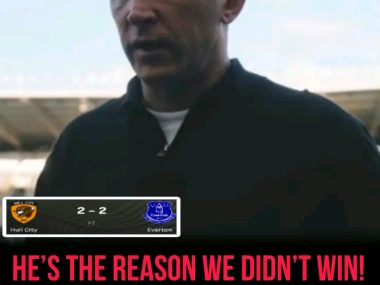
MusaEverton supporters have been left questioning a controversial refereeing decision following their entertaining 2-2 draw against Hull City at the MKM Stadium on Sunday, October 11, 2026, with Brennan Johnson’s disallowed first-half goal becoming one of the major talking points after the final whistle.
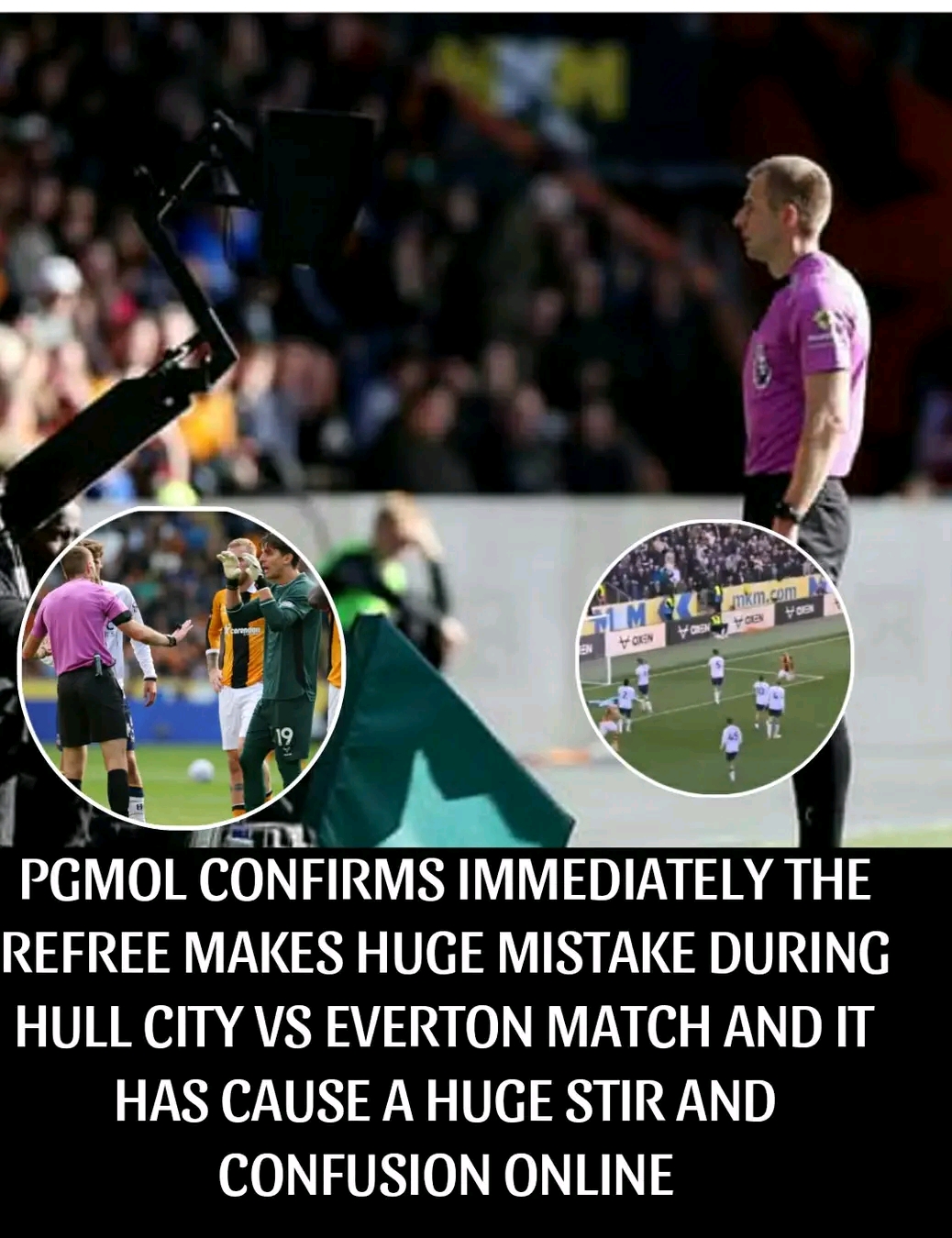
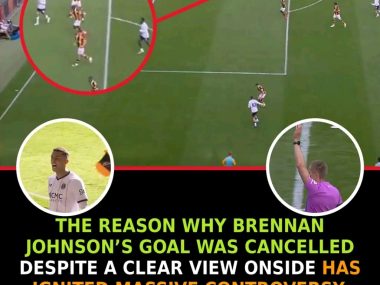
The incident sparked debate after what initially appeared to be Everton’s opening goal was overturned following a VAR review. Referee Michael Salisbury was subsequently asked to review the incident before ruling that Johnson had committed an offside offence by interfering with an opponent.
The decision came at a crucial stage of the contest, with David Moyes’s side hoping to maintain their unbeaten Premier League record and secure another important result.
However, Everton were denied the opportunity to take an early advantage, leaving the visitors to regroup before an eventful second half produced four goals and an eventual share of the points.
VAR Decision Overshadows Brennan Johnson’s Disallowed Goal
Everton thought they had broken the deadlock in the 34th minute when Johnson found the back of the net following an attacking move involving Jack Grealish and Jarrad Branthwaite.
The ball broke favourably inside the Hull City penalty area, allowing Johnson to react quickly and send it into the net. His finish initially appeared to have handed Everton the breakthrough they were searching for.
However, Hull City’s players protested the decision, raising questions about the circumstances surrounding the goal and whether an offside offence had occurred during the attacking move.
The incident was referred to the VAR team, with Timothy Wood overseeing the video review.
After examining the footage, Salisbury was instructed to visit the pitchside monitor to assess the incident himself.
Following his review, the referee overturned the original decision, ruling that Johnson had been in an offside position and had interfered with Hull defender Ryan Giles.
As a result, Everton’s apparent opener was ruled out, leaving the teams level heading into the interval.
The decision quickly became a major talking point, particularly among Everton supporters who believed Johnson’s finish had given their side a deserved advantage after a competitive opening period.
However, the decision centred on the forward’s involvement in the attacking move rather than simply the fact that he had scored.
Under football’s offside laws, a player in an offside position can be penalised for interfering with an opponent, including by obstructing their line of vision or challenging them for the ball.
The crucial consideration is whether the player’s position or actions affected an opponent’s ability to play the ball.
Did Brennan Johnson’s Goal Deserve to Stand?
The controversy has prompted questions about whether Johnson’s involvement genuinely interfered with Hull City’s defensive efforts and whether the VAR intervention was justified.
For Everton supporters, the decision was particularly frustrating because it denied their team the chance to take the lead during an important stage of the match.
Nevertheless, there is an important distinction between supporters questioning a refereeing decision and an official admission that an error was made.
There is no verified Premier League statement in the available information confirming that Johnson’s disallowed goal should have stood.
Claims suggesting that the authorities have officially acknowledged a mistake therefore remain unsubstantiated.
The Premier League has a Key Match Incidents Panel that reviews selected refereeing and VAR decisions. However, any assessment concerning a different match cannot automatically be applied to the incident involving Johnson against Hull City.
An authoritative conclusion would require a review specifically addressing Sunday’s controversial decision.
Until such clarification becomes available, the goal’s disallowance remains the official outcome of the VAR review rather than a confirmed refereeing error.
Michael Salisbury Faces Questions Following the Incident
Salisbury’s handling of the incident has inevitably attracted attention, with Everton supporters keen to understand why the original decision to award the goal was overturned.
Wood was responsible for the VAR review, while Salisbury made the final on-field decision after consulting the pitchside monitor.
Although the controversy dominated discussions surrounding the first half, the match itself provided plenty of other talking points.
Hull City demonstrated their determination after the break, while Everton were forced to respond after conceding the opening goal in the second half.
For supporters who believe Johnson’s goal should have counted, the decision will remain a source of frustration.
However, criticism from fans does not automatically establish that the referee or VAR team made an error. A definitive conclusion would require an independent assessment of the incident and the relevant offside regulations.
The debate surrounding Salisbury’s decision is therefore likely to continue until further authoritative clarification becomes available.
Hull City and Everton Produce Four Second-Half Goals
Despite the controversy before the interval, the match came alive after the restart, with both teams finding the net twice in an entertaining second half.
Hull City took the lead in the 48th minute after Joe Gelhardt capitalised on an error by Everton defender Ainsley Maitland-Niles.
Sorba Thomas provided the assist, allowing Gelhardt to finish past Jordan Pickford and put the hosts ahead.
Everton responded just seven minutes later.
Maitland-Niles recovered from his earlier mistake by delivering a dangerous cross into the penalty area, where Kiernan Dewsbury-Hall rose to head home the equaliser in the 55th minute.
The visitors continued to apply pressure and eventually completed their comeback in the 68th minute.
Dewsbury-Hall played an important role in creating the opportunity, which ended with Thierno Barry finishing past Hull goalkeeper Konstantinos Tzolakis to give Everton a 2-1 advantage.
At that moment, Moyes’s side appeared to have done enough to secure all three points after recovering from their disappointing start to the second half.
However, Hull City refused to give up.
Substitute Mohamed Belloumi restored parity in the 74th minute, finding the net with a low finish that beat Pickford and brought the home supporters back to life.
The equaliser ensured that Hull remained unbeaten at home since returning to the Premier League.
Neither side could find another goal before the final whistle, forcing Everton to settle for a point despite having taken the lead during the second half.
What the Draw Means for Everton
The 2-2 result represents another point for Everton as they continue their Premier League campaign under Moyes.
However, the manager will also have concerns about his team’s inability to maintain its advantage after taking the lead.
Maitland-Niles’s defensive error contributed to Hull’s opening goal, while the visitors were unable to prevent Belloumi from scoring the equaliser after Barry had put them ahead.
Everton will also reflect on the chances they created before half-time, particularly given that Johnson’s disallowed goal could have changed the complexion of the contest.
Taking an early lead might have forced Hull to adopt a different approach, potentially opening up additional opportunities for the visitors.
For Hull City, the result highlighted their fighting spirit and ability to recover when the pressure was on.
Gelhardt’s goal gave them the advantage, while Belloumi’s late contribution ensured that their second-half efforts were rewarded with a valuable point.
Although Everton will feel disappointed not to have won, the result leaves both sides with something to take from an entertaining encounter.
Final Verdict: Everton Await Greater Clarity on the VAR Controversy
Brennan Johnson’s disallowed goal remains one of the most significant talking points from Hull City’s 2-2 draw against Everton.
The decision denied the visitors an opportunity to take the lead during the first half and added another layer of controversy to an encounter that eventually produced four goals after the interval.
However, despite the questions raised by supporters, there is no verified evidence that the Premier League has officially admitted the goal should have stood.
Until an authoritative assessment specifically addresses the incident, claims that the referee made a confirmed error should be treated with caution.
Everton fans may continue to debate whether Johnson’s involvement justified the intervention, while Salisbury’s decision is likely to remain under scrutiny among those who disagreed with the outcome.
Ultimately, the result stands: Hull City and Everton shared the points after a dramatic encounter in which a controversial VAR decision preceded an entertaining second half.
For Everton, the immediate focus will be on improving their defensive consistency and turning promising performances into victories, while supporters await any further clarification surrounding the incident that denied Johnson his first-half goal.

 Musa
Musa