 Musa
Craig Pawson Explains Why He Had No Choice But to Send James Tarkowski Off as Everton Captain’s Red Card Sparks Controversy Against Brentford
Referee Craig Pawson’s decision to send James Tarkowski off during Everton’s Premier League meeting with Brentford has become one of the biggest talking points following Monday night’s encounter at the Gtech Community Stadium.
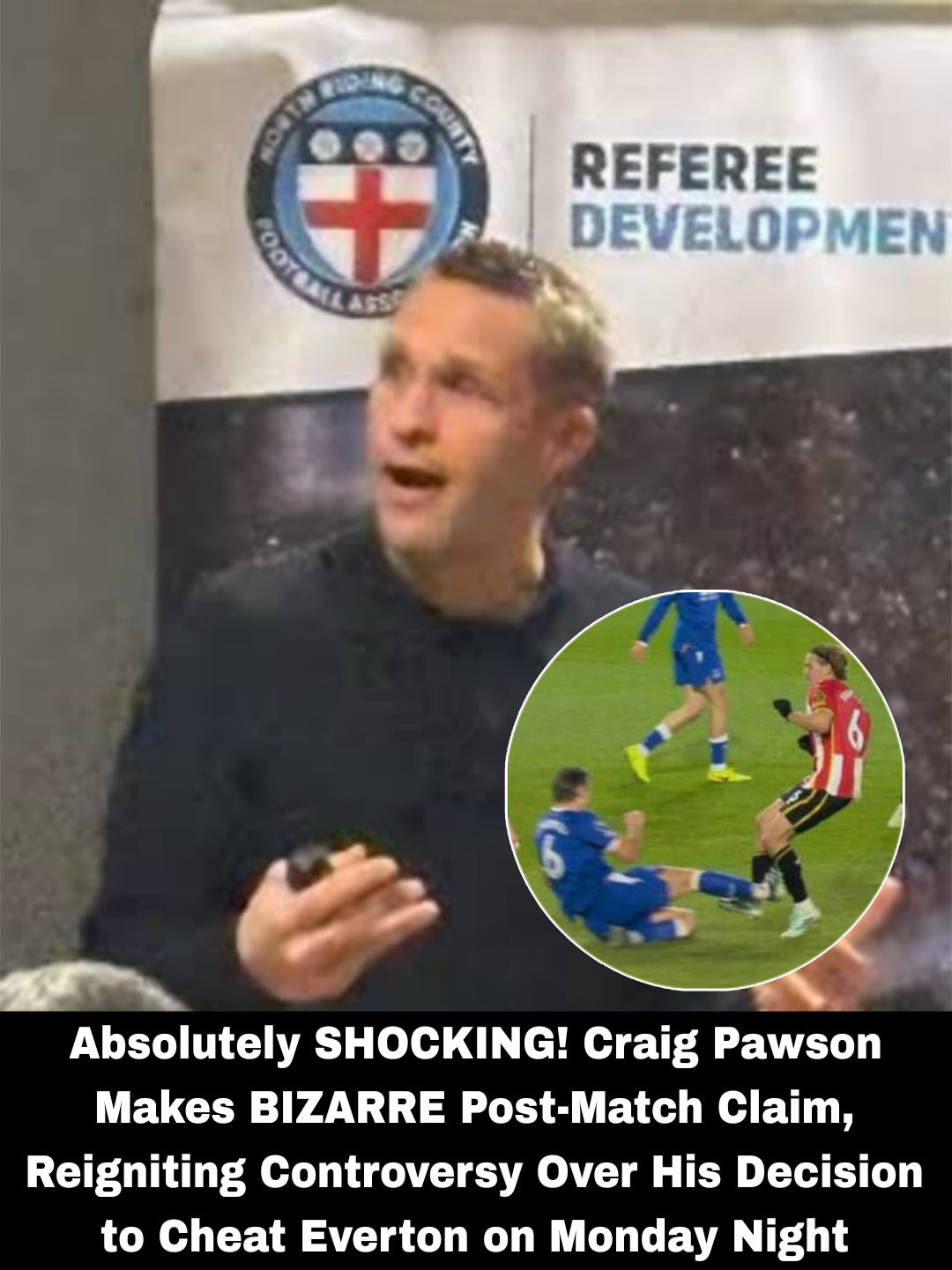
The Everton captain was initially shown a yellow card after a challenge on Brentford midfielder Yehor Yarmoliuk, but the situation changed dramatically after VAR official Matt Donohue recommended an on-field review.
Following a closer examination of the incident, Pawson overturned his original decision and showed Tarkowski a straight red card, leaving David Moyes’ side with 10 players.
Although the decision sparked frustration among Everton supporters, there is a strong explanation behind why the referee ultimately considered the challenge serious enough to warrant a dismissal.
The most important factor was not simply whether Tarkowski touched the ball, but what happened during his follow-through.
The Everton defender appeared to make contact with the ball before his studs continued into Yarmoliuk’s shin. Under the Premier League’s interpretation of serious foul play, winning the ball does not automatically excuse a challenge that involves excessive force or endangers an opponent’s safety.
This is understood to have been the central consideration behind the decision.
Pawson initially viewed the incident as a yellow-card offence, but the footage presented during the VAR review gave him an opportunity to reconsider the height and nature of Tarkowski’s challenge.
VAR official Matt Donohue believed the incident deserved further examination because of the contact with Yarmoliuk’s shin and the potential danger involved.
The Premier League’s serious foul play guidance requires officials to consider factors such as the intensity of a challenge, the speed at which it is made, the point of contact and whether an opponent’s safety is endangered.
These considerations help explain why Pawson eventually decided that a yellow card was insufficient.
There is also an important distinction between a mistimed challenge and serious foul play. A player does not necessarily have to intend to injure an opponent before receiving a straight red card.
If the challenge is considered to involve excessive force or brutality, the referee can dismiss the player regardless of whether the ball was touched first.
In Tarkowski’s situation, the referee’s final assessment was that the nature of the contact made the challenge worthy of a red card.
For Everton, however, the decision was particularly damaging because Tarkowski is not only an experienced defender but also the team’s captain.
His dismissal left Moyes with a difficult situation to manage, especially after Brentford had already established an advantage.
While Everton supporters may continue to argue that their captain was attempting to win the ball, the referee’s decision was ultimately based on player safety rather than the defender’s apparent intention.
Matt Donohue’s intervention was therefore crucial in bringing the incident back to Pawson’s attention, but it was the on-field referee who retained responsibility for making the final decision.
Whether Everton supporters agree with the outcome or not, the incident demonstrates why challenges involving high studs and contact with an opponent’s shin are treated so seriously under the Laws of the Game.


 Musa