 Musa
Tottenham Hotspur supporters have been left furious following the controversial decision not to send off Leeds United defender Jayden Bogle for his dangerous challenge on Mathys Tel, with VAR official Tony Harrington providing an explanation that has only added to the debate surrounding the incident.
Spurs suffered a frustrating 1-0 defeat against Leeds United at Elland Road, bringing their three-match winning run to an end. However, much of the post-match discussion has centred on a first-half challenge that left Tottenham forward Mathys Tel in considerable discomfort.
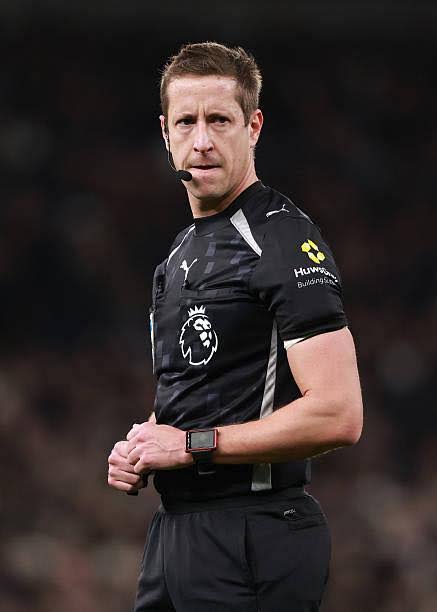
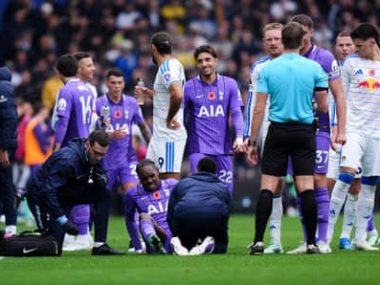
Bogle caught the French attacker around the ankle and Achilles area during the encounter, prompting immediate complaints from Tottenham players. Referee John Brooks decided against showing a red card, while VAR official Tony Harrington subsequently reviewed the incident to determine whether the challenge met the threshold for serious foul play.
Despite the lengthy review, the original decision stood.
The explanation attributed to Harrington through the Premier League Match Centre has now become a major talking point among supporters who believe Tottenham were denied an important decision.
During the review, the VAR explanation was reported as follows:
“I’m confirming the on-field decision of no red card. There’s a lack of speed going into the challenge and he’s stepping into the tackle. Confirming a reckless challenge.”
That explanation has raised an important question: if the challenge was considered reckless, why was Bogle not shown a yellow card either?
Under the Laws of the Game, reckless challenges are generally punishable by a yellow card, while challenges involving excessive force or endangering an opponent’s safety can warrant a red card for serious foul play.
The distinction is important because VAR cannot recommend a red card simply because a challenge looks unpleasant or leaves an opponent injured. Officials must consider the nature of the contact, the force used, the speed of the challenge and whether the player endangered an opponent.
However, Tottenham supporters remain unconvinced that the decision was handled correctly.
Tony Harrington’s explanation sparks further questions
Harrington’s reported explanation suggests that the VAR team did not believe Bogle’s challenge involved sufficient speed or force to justify overturning Brooks’ original decision.
But the description of the incident as reckless has created confusion, particularly among supporters who expected some form of disciplinary action.
If the officials believed the challenge was reckless, fans want to understand why the referee was not advised to issue a yellow card. Equally, if the contact was not considered reckless enough to warrant a booking, questions remain over the terminology used during the VAR review.
This is where the controversy becomes more complicated.
The decision was not simply about whether Bogle made contact with Tel. It was about whether the nature of that contact crossed the disciplinary threshold for a serious foul play offence.
While the Premier League’s explanation provides an insight into the reasoning behind the decision, it has not necessarily settled the disagreement among supporters.
Mathys Tel’s withdrawal adds to Tottenham’s frustration
The incident was particularly concerning for Tottenham because Tel was unable to continue and was replaced by Dominic Solanke in the 43rd minute.
His withdrawal increased the frustration surrounding the challenge, although an injury alone does not automatically establish that a red-card offence has occurred.
For Roberto De Zerbi, the situation was another unwanted setback during a match that eventually ended in disappointment for his team.
Tottenham struggled to find their attacking rhythm after losing Tel, while Leeds eventually secured all three points through Noah Okafor’s late goal.
The defeat was made even more frustrating by the feeling among Spurs supporters that an important refereeing decision had gone against them.
Why the controversy is unlikely to disappear
The central issue surrounding Harrington’s explanation is the question of consistency.
Supporters are not simply asking why Bogle escaped a red card. They also want to know whether the same interpretation would be applied if a Tottenham player made a similar challenge in another Premier League match.
The laws provide officials with a framework for distinguishing between careless, reckless and excessively forceful challenges. However, those distinctions can still generate debate when supporters believe the available footage tells a different story from the explanation provided.
For Tottenham fans, the frustration is understandable. They watched one of their attacking players receive a painful challenge, saw a lengthy VAR review take place and ultimately witnessed the original decision remain unchanged.
Harrington’s reported explanation has offered some clarity about the reasoning behind the outcome, but it has also left supporters questioning the absence of a yellow card and the overall consistency of the officiating.
Ultimately, the controversy surrounding John Brooks’ decision is likely to remain a major talking point long after Tottenham’s defeat at Elland Road. The question supporters want answered is straightforward: if the challenge was considered reckless, why did Bogle escape without a booking?

 Musa