 Musa
Everton supporters are increasingly questioning one of the biggest refereeing decisions from their clash against Newcastle United after Fabian Schär’s controversial challenge on Thierno Barry became a major talking point following the final whistle.
While much of the attention immediately after the game focused on Everton’s victory and the late drama involving Newcastle, another incident inside the home side’s penalty area has continued to attract attention among frustrated Toffees supporters.
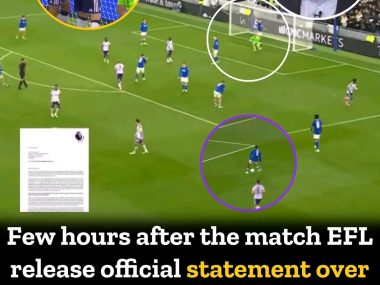
The incident involved Schär and Barry during the second half, when the Everton striker attempted to get on the end of a dangerous delivery into Newcastle’s penalty area.
However, before Barry could make proper contact with the ball, Schär launched himself into a sliding challenge, resulting in a collision that immediately raised questions about whether Everton should have been awarded a penalty.
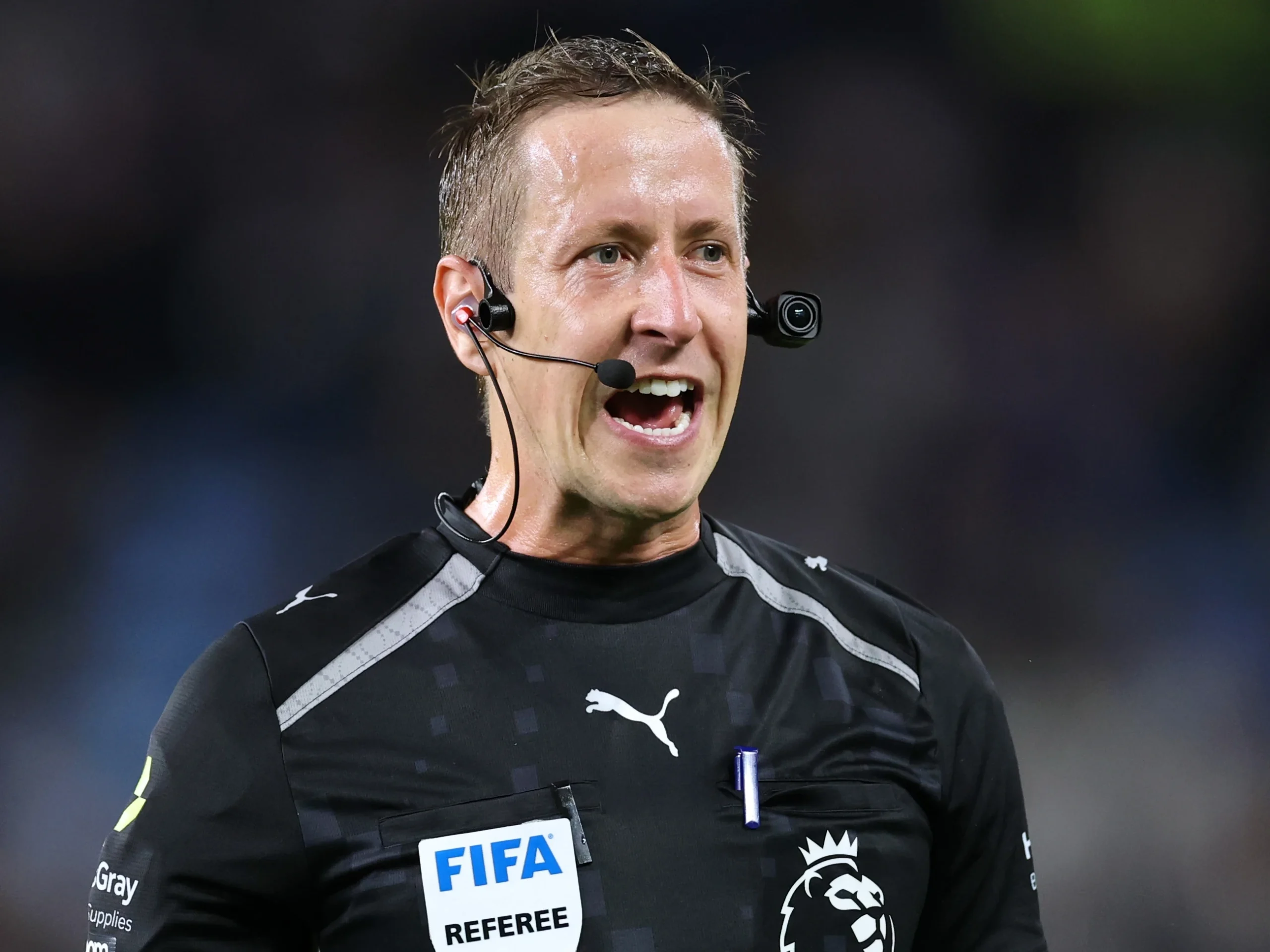
Despite the appeals, referee John Brooks allowed play to continue, and the VAR team did not recommend an on-field review that resulted in a change of decision.
It was a decision that clearly frustrated David Moyes, who was unhappy with what he believed was a potentially important refereeing call against his side.
The incident Everton supporters cannot stop discussing
What makes the situation particularly frustrating for Everton supporters is the nature of the challenge and the fact that it happened inside Newcastle’s penalty area.
Barry was attempting to attack the delivery when Schär committed himself to the sliding challenge.
Although the Newcastle defender appeared to make contact with the ball, the subsequent contact with Barry raised a separate question about whether the challenge was actually fair.
Winning the ball does not automatically give a defender permission to bring down an opponent.
Under IFAB Law 12, a player can still commit a foul if a challenge is careless, reckless or involves excessive force, even if there has been initial contact with the ball.
That is why the incident deserves closer examination rather than being dismissed simply because Schär appeared to reach the ball first.
For Everton supporters, the biggest frustration is that the referee’s decision effectively ended their opportunity to receive a potentially valuable penalty from the situation.
John Brooks and VAR facing questions
John Brooks was the man responsible for making the on-field decision, but the failure of VAR to overturn it has also become part of the discussion.
The purpose of VAR is to correct clear and obvious errors involving penalty decisions, among other major incidents.
However, it does not mean every controversial challenge must result in a referee being sent to the pitchside monitor.
If the VAR officials believed Brooks had correctly assessed the contact, they were entitled to support his original decision.
Nevertheless, that explanation does not necessarily end the debate.
The important question is whether Schär’s sliding challenge was genuinely a fair attempt to win the ball or whether his follow-through involved contact that should have been punished.
Everton supporters will understandably want a clearer explanation of how the incident was assessed.
David Moyes’ reaction adds another dimension
Moyes’ frustration made the incident even more significant.
The Everton manager was visibly unhappy with the decision and protested from the touchline, eventually receiving a booking.
Managers are often emotional during important matches, but Moyes’ reaction demonstrated how strongly he felt about the situation.
For Everton, the three points were ultimately more important than anything else, but that does not mean supporters should ignore a decision they believe could have gone against their team.
Indeed, the fact that Everton secured victory makes the controversy even more interesting.
Had Barry’s side been chasing an equaliser or a winner, the consequences of the decision could have been considerably greater.
Everton fans deserve clarity over the decision
The controversy surrounding Schär’s challenge raises another familiar question about consistency in Premier League officiating.
Supporters want to understand why some physical challenges inside the penalty area are punished while others are allowed to continue.
The laws are not complicated in principle: a defender can make a legitimate tackle, but any careless, reckless or excessively forceful contact can still constitute an offence.
That is precisely why the full sequence of Schär’s challenge deserves attention.
For now, there has been no publicly confirmed explanation from Brooks or the Premier League specifically addressing this incident.
Everton have their three points, but the debate surrounding the decision is unlikely to disappear immediately.
And for supporters who believe Barry was denied a legitimate opportunity to win a penalty, the biggest question remains: if that challenge was not enough for a spot-kick, what exactly would have been?


 Musa